

USMCA Term Not Extended at 2026 Review: What Leather Jacket Buyers Should Verify Before 2027
On October 5, 2026, the Office of the U.S. Trade Representative opened public comments ahead of the 2027 annual joint review of the United States-Mexico-Canada Agreement, three months after Washington declined to extend the pact for a new 16-year term at the July 1, 2026 review.
For buyers running leather jacket programs in Mexico or Canada, the change is structural: duty-free treatment now rests on origin rules that the three governments review every year until all of them agree to extend.
What the July 1, 2026 Review Decided
The USMCA entered into force on July 1, 2020, with a 16-year term that runs to July 1, 2036. Article 34.7 lets the parties confirm a further 16-year term, and it starts that process with a joint review.
At the first joint review on July 1, 2026, the United States did not agree to extend the agreement, according to the USTR notice published on October 5, 2026 at 91 FR 63379. Under Articles 34.7.4 to 34.7.6, the Free Trade Commission will now meet annually until all three parties confirm an extension or the term expires.
USTR opened two dockets for the 2027 cycle: USTR-2026-0595 for written comments and USTR-2026-0596 for requests to appear at the public hearing.
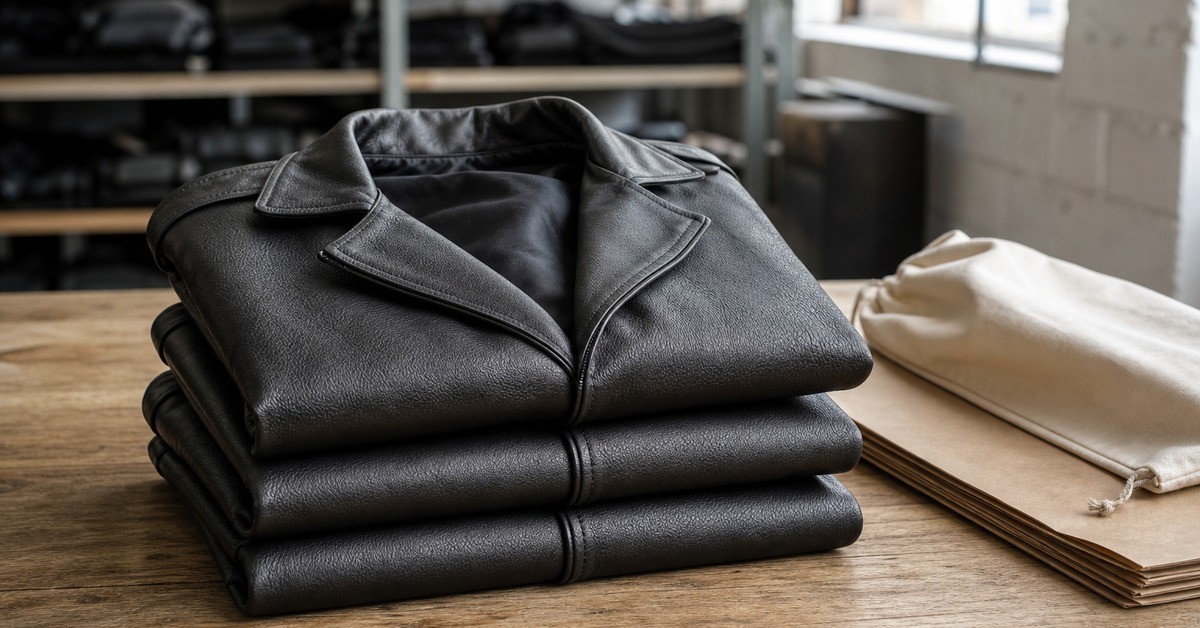
The Comment Calendar Buyers Should Diary
Written comments and hearing requests are due by 11:59 p.m. EST on January 12, 2027. USTR will post the hearing date and location on ustr.gov, and post-hearing rebuttal comments are due within seven calendar days after the last day of the hearing.
All submissions go through the portal at comments.ustr.gov. A request to appear must include a summary of testimony, and remarks at the hearing are limited to five minutes. Firms with fewer than 500 employees, and associations that represent them, are asked to identify themselves as small businesses.
The notice asks for views on how the agreement is operating, on compliance issues, on actions USTR should propose before the review, on the North American investment climate, and on cooperation over non-market policies. For importers, that is the window in which to argue for stable origin rules.
Why Origin Files Matter More Than Duty Rates
Men's leather jackets are classified under heading 4203.10 of the Harmonized Tariff Schedule, which covers articles of apparel of leather.
Annex 4-B of the USMCA sets the product-specific rule for headings 42.03 through 42.06: a change to that heading from any other chapter. Hides and tanned leather sit in chapter 41, so a jacket cut and sewn in Mexico from imported tanned leather can still meet the rule. Where the hide was tanned does not, by itself, decide origin.
Article 4.12 adds a de minimis allowance. Non-originating materials that fail the required tariff shift may account for up to 10 percent of the transaction value of the good, or of its total cost.
That is why the annual review has commercial weight. A supplier that cannot produce a bill of materials, declarations for trims and linings, and a certification of origin for each style leaves the claim unsupported if the Commission reopens origin requirements.
What to Confirm Before Spring 2027 Production
Start with a style-level map: which programs are cut and sewn in Mexico or Canada, which use imported tanned leather, and which rely on de minimis because a lining or trim does not shift chapter. The answer decides how much exposure sits in the origin file.
Next, test the paperwork against the rule rather than against the invoice. A certification of origin that lists the finished jacket but not the chapter of each non-originating material leaves the tariff shift unproven.
Finally, decide whether to comment. Buyers with Mexican or Canadian capacity can file by January 12, 2027, either directly or through a trade association, and small firms are invited to say so.
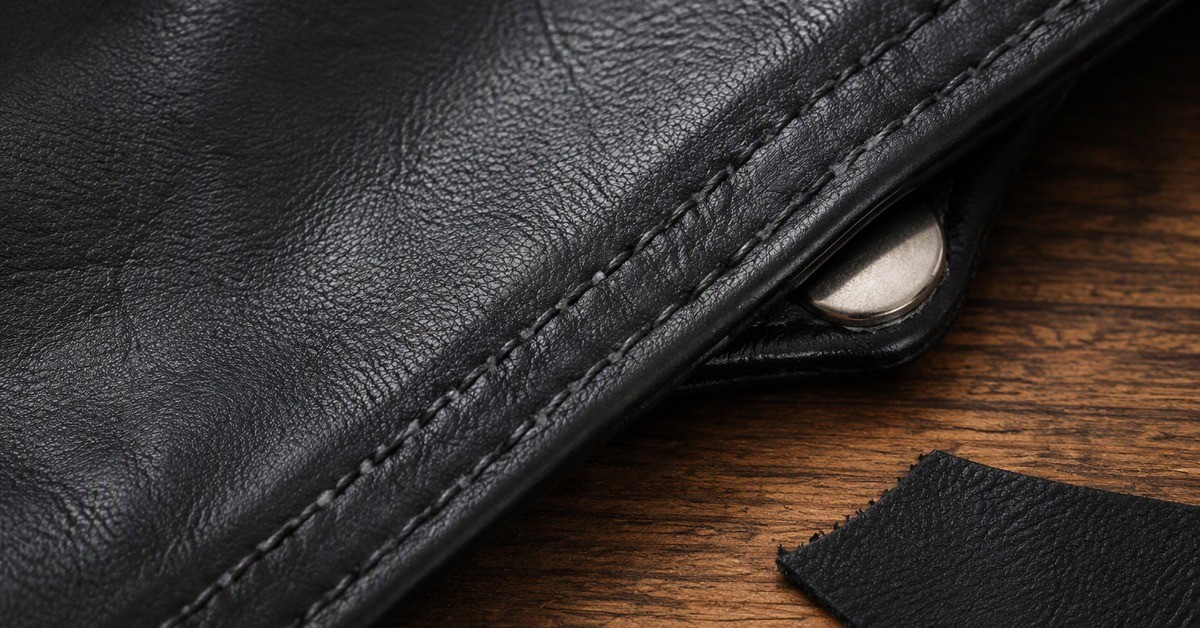
Danke (Dalian Danke Fashion Co., Ltd) builds men's leather jackets and private label leather jacket programs with bills of materials and tannery paperwork prepared per style. Buyers comparing Asian and North American assembly options can reach the team at www.dankeleatherjacket.com or on WhatsApp +86 13234076432 to review what an origin file should contain.
Does the review change duty rates now?
No. The October 5 notice is a request for comments ahead of the 2027 joint review. Tariff treatment continues under the rules in force, and any change would follow a decision by the three governments.
Where must a leather jacket be made to qualify?
It must be produced in a USMCA party and meet the Annex 4-B rule for heading 42.03, which is a change from another chapter. Assembly location and material classification decide the outcome, not the brand or the retail price.
Which documents should a buyer hold?
A certification of origin, a style-level bill of materials, supplier declarations for leather, lining and hardware, and records that support the de minimis calculation where it is used. Keep them for as long as USTR and CBP require, and refresh them each review cycle.