

China Revises Leather Test Standards for Nickel Release and Organotins From April 1, 2027
China published three revised national test methods for leather on September 28, 2026, including a new edition of the method used to measure nickel release from leather hardware. The standards take effect on April 1, 2027, and they change the technical basis that Chinese laboratories will cite when a leather jacket is tested before export.
The State Administration for Market Regulation and the Standardization Administration of China issued the package as Announcement No. 43 of 2026, which approved 466 recommended national standards and 4 amendments. Three of them sit directly on the leather supply chain, and each replaces a 2008 edition.
What China Published on September 28, 2026
GB/T 22866-2026 covers the determination of nickel release from leather hardware, the metal fittings used on bags, belts, straps and jackets. GB/T 22885-2026 sets out the colour fastness test for leather against water. GB/T 22932-2026 covers the determination of organotin compounds in leather and fur.
The titles above are translated from the Chinese originals, which are the only versions published. GB/T standards are recommended rather than mandatory, but they are the methods domestic laboratories use in test reports, and buyers can name them in purchase specifications.
Two details matter for scheduling. All three were published on September 28, 2026 and apply from April 1, 2027. The replaced editions date from 2008, so reports that cite them are working from a method that is eighteen years old.
Why the Nickel Method Matters for Jacket Hardware
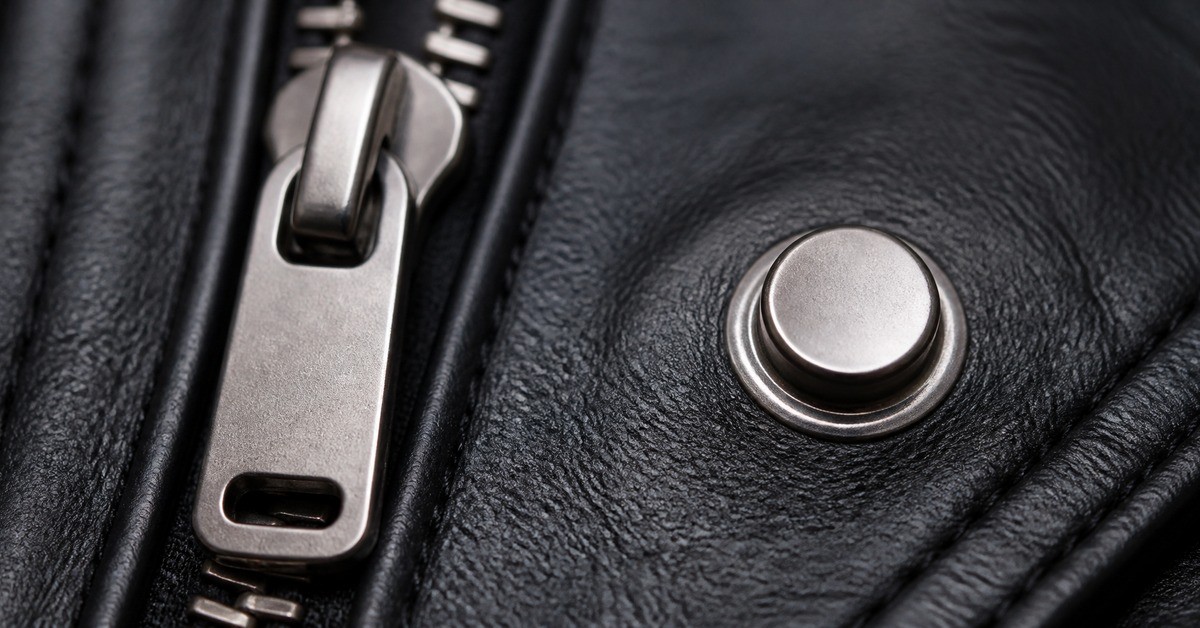
Nickel release is measured on the metal parts that stay in contact with skin: zipper pulls and sliders, snaps, eyelets, buckle frames and rivets. On a leather jacket these fittings usually come from a different supplier than the hide, which means they can fall outside the scope of a leather test report.
A report issued on the leather alone will not describe them. Buyers who want one document covering the whole garment should list the metal components separately and ask the laboratory to test them as hardware rather than as part of the hide.
The edition change also affects repeat orders. A first report citing the 2008 method and a second citing the 2026 method do not record the same procedure, so any specification that names a method should be reviewed before the changeover rather than after the first shipment.
A Second Set of Methods Arrives on February 1, 2027
April is the second of two dates. Announcement No. 30 of 2026, issued on July 2, 2026, added methods for three further groups of substances.
Bisphenols in leather and fur fall under GB/T 47794-2026, alkylphenols and their ethoxylates under GB/T 33285.1-2026, and per- and polyfluoroalkyl substances under GB/T 36929.1-2026. All three apply from February 1, 2027.
The sequence matters for planning. A jacket shipped in spring 2027 may be tested under the February methods for the chemical groups and under the April methods for hardware, colour fastness and organotins.
Both batches sit alongside two other moving parts we have covered: the EU REACH restrictions roadmap for 2026, which puts bisphenols and skin sensitisers on a separate track, and China's mandatory leather safety standard, which sets the limits these methods are used to check.
What Buyers Should Put in the Purchase Order Now
Four changes are worth making before the next order is placed. First, name the standard number and year in the test requirement, so a supplier cannot substitute an older edition without notice. Second, separate the hardware test line from the hide test line, since the two come from different factories.
Third, ask for reports per hardware batch and per dye lot, because a single passing report from an earlier order does not describe a new consignment. Fourth, set an explicit cut-off in the contract: goods shipped after April 1, 2027 should be tested to the 2026 editions.
Danke, the trading name of Dalian Danke Fashion Co., Ltd, produces men's leather jackets for wholesale buyers and records component details at each stage of the leather jacket manufacturing process.
Buyers who need test documentation tied to a specific hardware batch can request it with the order. Specifications and current lead times are available at www.dankeleatherjacket.com, and the export team answers technical questions on WhatsApp +86 13234076432.
Are the new Chinese leather standards mandatory?
No. The three published on September 28, 2026 carry GB/T numbers, which identify recommended national standards. Mandatory requirements for leather and fur products sit in GB standards, and limits are set there or by the buyer's own specification.
Do the new methods change the legal limits for nickel or organotins?
They do not set limits. A test method defines how a substance is extracted and measured. The limit comes from the standard that references the method, from the destination market's rules, or from the purchase contract.
When should a buyer ask for the 2026 editions?
For chemical methods, from February 1, 2027. For hardware nickel release, colour fastness to water and organotins, from April 1, 2027. Orders placed earlier can still specify them, which avoids a second round of testing when the dates arrive.