

EU Parliament Backs EPR Representative Exemption for Small EU Importers: What Leather Jacket Buyers Should Verify
On October 20, 2026, the European Parliament voted to exempt small EU-based companies from appointing an authorised representative for extended producer responsibility (EPR) in every member state where they sell. The decision changes how compliance paperwork is handled for imported apparel, including leather jacket programmes, but it leaves the underlying fees and the product scope untouched.
The plenary vote on the file covering textiles, footwear, electronic appliances and single-use plastics passed with 612 in favour, 8 against and 39 abstentions. A parallel vote on batteries and packaging passed with 616 in favour, 9 against and 39 abstentions.
What the Authorised Representative Rule Requires
Under current EU waste legislation, producers that place products on the EU market pay fees that cover the collection, sorting and recycling of those products once they become waste. The same rules require them to appoint an authorised representative for EPR compliance in each member state where they sell.
For an importer holding stock in several countries, that can mean several appointments, each with local registration, reporting and fee declarations. The Commission proposed suspending this specific obligation to reduce barriers inside the single market, setting out the plan in COM(2025) 980 final on December 10, 2025.
The proposal covered packaging, batteries, textiles, footwear, electronics and single-use plastics. It did not propose removing fees or changing which products fall under national EPR schemes.
What Parliament Narrowed and What Stayed
The environment committee had already backed a narrower version in early October. The plenary kept that approach and limited the suspension to EU-based small and micro enterprises, defined as companies with fewer than 50 employees and an annual turnover or balance sheet total under EUR 10 million.
The exemption would apply until 2035, or until a comprehensive circular economy act is adopted. The Commission is expected to propose that act later in 2026. Parliament described the package as two instruments, a directive and a regulation, both part of the Environmental Omnibus.
MEPs also stated that the suspension does not affect other obligations under an EPR system, including waste-prevention measures and the fees themselves. They called for better information exchange between member states, interoperable digital systems and common reporting requirements for companies.
Rapporteur Ingeborg ter Laak (EPP, Netherlands) said that "unnecessary administrative burdens should be reduced without compromising our environmental ambitions" and that companies should still take responsibility for the waste they produce.
What the Vote Split Shows
Both votes produced near-identical majorities, which indicates that the simplification principle itself is not contested in the chamber. The contested element is scope. The Commission's original text was broader, while Parliament tied relief to EU establishment, added a small-enterprise size test and set a 2035 end date.
That difference now defines the negotiation with member states. Until a final text is agreed and published, the existing appointment duty remains the legal baseline, and importers should plan on it. The 39 abstentions in both votes show that support for the simplification is broad but not unanimous.
The practical reading is narrow. The vote signals direction, not an available exemption. Contracts signed this quarter still sit under the rules that apply today, and documentation should be assembled on that basis.
What Leather Jacket Buyers Should Check
First, establish who counts as the producer in each market. When an EU buyer imports directly and acts as importer of record, that buyer holds the registration and any appointment duty. When a supplier outside the EU sells delivered duty paid with its own entity as importer, the relief does not reach that entity, because the exemption is tied to EU establishment.
Second, test the size thresholds rather than the ownership structure. A small EU distributor owned by a larger group may still qualify on headcount and balance sheet, while a mid-sized buyer will not. The two tests apply together, so headcount alone is not enough.
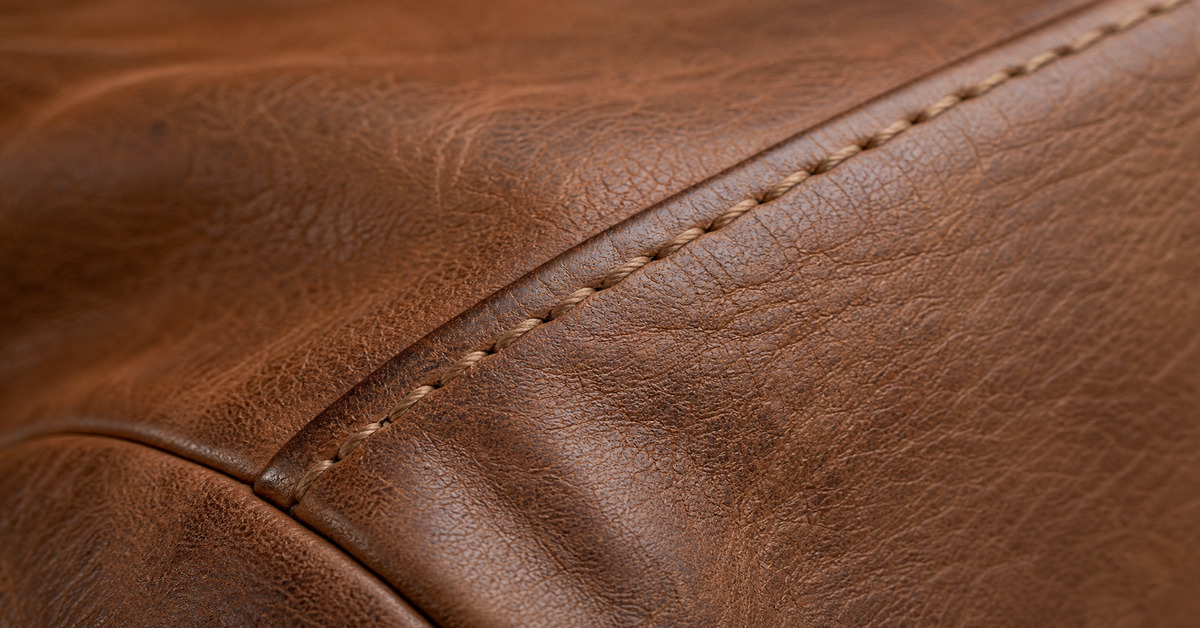
Third, expect fee and data requests to continue. Packaging weights, material composition and unit counts remain relevant to EPR fee declarations, and they belong in the quotation pack next to the specification sheet. Suppliers that already document their leather jacket manufacturing process for buyers will find most of that material data already on file.
Fourth, keep the two questions separate. This vote suspends an appointment duty. It does not remove any style from a national scheme's product list, and it does not alter labelling or chemical compliance, which are governed by separate rules that apply regardless of company size.
Danke produces private-label leather jacket programmes and OEM lines through Dalian Danke Fashion Co., Ltd in Dalian, China. Its range includes lamb leather jacket styles for buyers who need documented material data. Specification sheets, packaging details and order documentation can be requested at www.dankeleatherjacket.com or on WhatsApp +86 13234076432.
Does the vote remove EPR fees for apparel importers?
No. Parliament stated that the suspension covers only the authorised representative obligation. Fees that finance collection, sorting and recycling, together with waste-prevention duties, remain in place.
Can a manufacturer outside the EU rely on the exemption?
No. The relief is limited to EU-based small and micro enterprises. A supplier established outside the Union that acts as importer of record still needs to appoint representatives wherever the national scheme requires one.
When does the change take effect?
Not yet. The vote adopted Parliament's position for negotiations with member states. A final text must be agreed and published before the appointment duty is suspended, and current rules apply in the meantime.
Sources: the European Parliament press release of October 20, 2026 and the plenary briefing for the October 19 to 22 session.