

EU PFHxA Restriction From October 10, 2026: A Leather Jacket Sourcing Checklist
Leather jacket buyers selling into the European Union have a fixed compliance date to plan for: October 10, 2026. From that date, entry 79 of Annex XVII to the REACH Regulation restricts undecafluorohexanoic acid (PFHxA), its salts and PFHxA-related substances in textiles, leather, furs and hides used in clothing and related accessories for the general public.
The measure came from Commission Regulation (EU) 2024/2462, adopted on September 19, 2024 and published in the Official Journal of the European Union on September 20, 2024. It is the first targeted PFAS restriction to reach leather apparel supply chains, and two wider PFAS restriction dossiers remain pending.
What the New Entry 79 Thresholds Actually Say
Entry 79 sets two thresholds, both measured in homogeneous material. The sum of PFHxA and its salts may not reach 25 ppb, and the sum of PFHxA-related substances may not reach 1,000 ppb. The entry defines PFHxA-related substances as substances that can degrade or be transformed into PFHxA.
The October 10, 2026 date covers clothing and related accessories for the general public, footwear for the general public, paper and cardboard used as food contact materials, mixtures for the general public, and cosmetic products. A second date, October 10, 2027, extends the same thresholds to textiles, leather, furs and hides that are not clothing or related accessories.
Where Leather Jackets Sit in the Scope
Leather clothing is named directly in the entry. The Commission’s stated rationale, set out in the recitals to the regulation, describes the intended scope as textiles and leather in clothing, citing outdoor clothing such as rain jackets and related accessories such as handbags.
The recitals also connect the restricted substances to water-repellent and oil- and stain-repellent finishing, the treatment most likely to carry this chemistry into an outerwear bill of materials. The Commission records that large quantities of PFHxA-related substances are used in textiles, while noting that alternatives for water repellent properties appear to be available.
The practical consequence for a private label programme is that the requirement moves upstream to the tannery and the finishing house, which are the parties deciding what chemistry sits on the hide. A private label leather jacket brief that ignores this point can leave the brand unable to evidence compliance when an enforcement authority or a retail customer asks.
What Falls Outside the Restriction
Paragraph 3 of entry 79 exempts four categories: personal protective equipment in risk category III under Regulation (EU) 2016/425, medical devices under Regulation (EU) 2017/745, in vitro diagnostic medical devices under Regulation (EU) 2017/746, and textiles used as construction textiles.
Paragraph 7 adds a stock clause. The restriction does not apply to articles and mixtures placed on the market before October 10, 2026. That covers inventory already inside the EU, but not goods placed on the market after the date, and the evidence obligation sits with the supplier.
The regulation also notes that uses outside this entry belong to two other pending restriction dossiers: PFAS in firefighting foams, and PFAS in all other uses. Both remain before the Commission, so entry 79 may not be the last PFAS measure to affect apparel supply chains.
What This Means for Sourcing Programmes
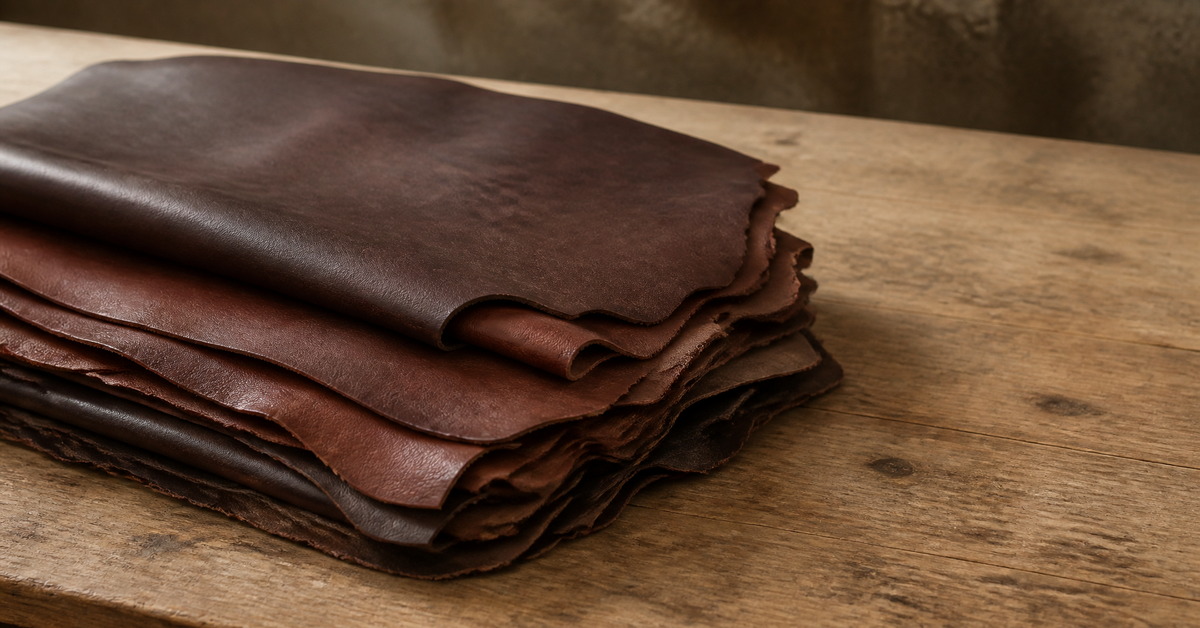
For a 2026 delivery window, three steps matter. Ask each tannery and finishing partner for a written statement on PFHxA and PFHxA-related substances in the finishes used on the hides, and request test reports that identify the homogeneous material tested, not the finished garment alone.
The third step is timing. Build the October 10, 2026 date into the leather jacket manufacturing process calendar so that any finish change is validated at sample stage, rather than discovered during final inspection.
Most programmes will not need a new silhouette or a different hide. They will need documentation on what is in the finish, and a supplier able to answer a technical question in writing before the order is placed.
Frequently Asked Questions
When does the PFHxA restriction apply to leather jackets?
October 10, 2026 is the application date for textiles, leather, furs and hides used in clothing and related accessories for the general public. Leather used outside clothing and related accessories moves to October 10, 2027.
What are the concentration limits in entry 79?
25 ppb for the sum of PFHxA and its salts, and 1,000 ppb for the sum of PFHxA-related substances. Both limits are measured in homogeneous material.
Does stock already inside the EU have to comply?
Paragraph 7 states that the restriction does not apply to articles and mixtures placed on the market before October 10, 2026. Goods placed on the market after that date fall inside the scope of entry 79.
For European buyers, the practical work is documentation rather than redesign. Danke, the leather garment manufacturing business of Dalian Danke Fashion Co., Ltd, produces custom leather jacket collections for private label and OEM programmes. Finish specifications, material statements and sampling questions can be sent through www.dankeleatherjacket.com, or by WhatsApp +86 13234076432 for a direct reply.